

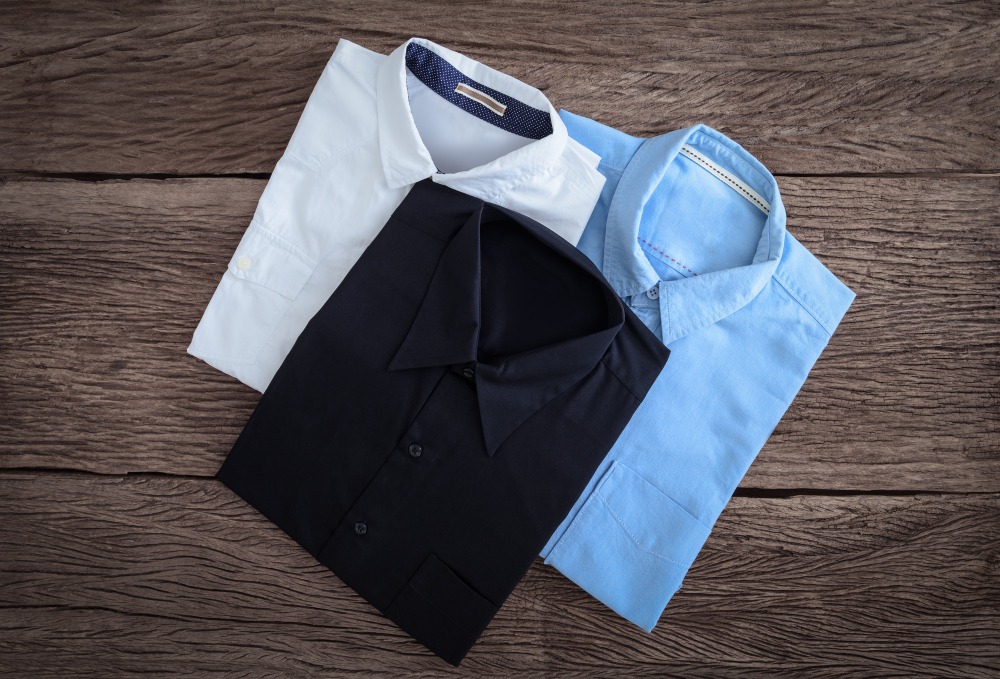
Corporate apparel influences how employees are perceived by customers, visitors and event attendees. Shirts and T-shirts can both create a consistent brand identity, but they serve different workplace requirements.
For companies in Pune, the right choice usually depends on employee roles, working environment and the level of formality expected during customer interactions.
When Corporate Shirts Work Better
Corporate shirts create a structured and professional appearance. They are generally suitable for:
- Sales teams meeting clients
- Front-office and reception employees
- Exhibitions and formal corporate events
- Hospitality and customer service teams
Full-sleeve shirts provide a formal look, while half-sleeve options can be more comfortable in Maharashtra’s warmer months. Cotton-rich fabric offers breathability, whereas blended fabric is easier to maintain and may resist wrinkles more effectively.
When T-Shirts Are More Practical
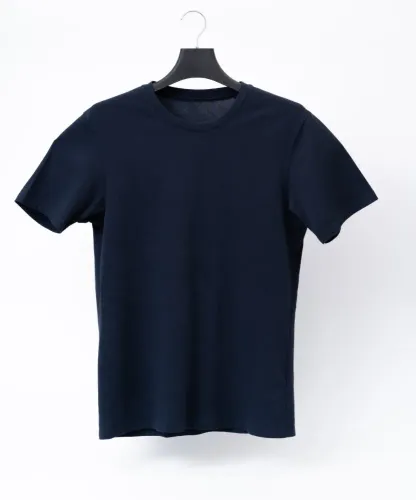
T-shirts are usually preferred for informal teams, promotional campaigns, sports days, product launches and outdoor activities. They allow greater freedom of movement and can be produced in vibrant brand colours.
Polo T-shirts offer a useful middle ground. Their collars make them look more structured than round-neck styles without creating the formality of a traditional shirt.
Compare the Practical Differences
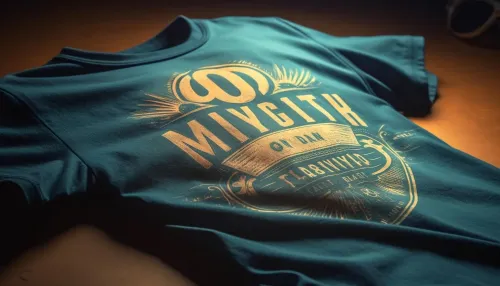
Corporate shirts generally offer a premium presentation, but they require accurate fitting and additional care. T-shirts accommodate size variations more easily and can be economical for large groups. Embroidered logos work well on shirts and polo T-shirts, while screen printing suits casual promotional apparel.
Businesses should also consider how frequently employees will wear the garments. Daily uniforms require durable fabric and reliable stitching. Apparel intended for a single event can focus more heavily on visual impact and campaign colours.
Ashcube supports Pune organisations with corporate shirts and other branded apparel suited to different teams and occasions. Instead of selecting one garment for everyone, businesses can use shirts for customer-facing staff and T-shirts for operations or event teams.
Review employee responsibilities and the setting in which the apparel will be worn before choosing the final style.