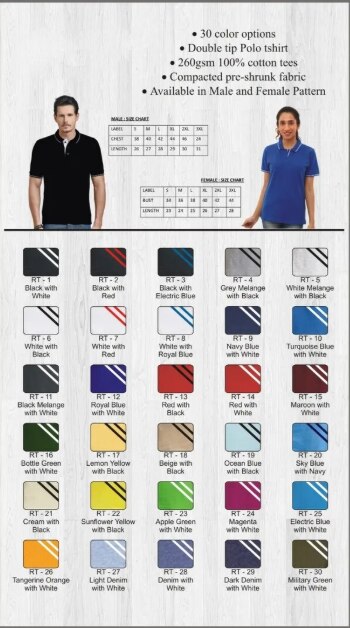
A 260 GSM cotton collar shirt gives Pune teams a denser, more structured uniform, but that extra fabric changes how the garment handles heat, sweat, rain and repeated washing. By comparing fabric weight with work conditions, then checking construction, fit and wash performance before production, you can choose a shirt that stays wearable through full shifts rather than selecting by GSM alone.
Key takeaways
- GSM measures fabric mass, not a finished shirt’s comfort or total weight.
- Choose lighter shirts for hot, humid shifts and heavier fabric for opacity and structure.
- Test shrinkage, colourfastness, drying time and seam construction before placing a bulk order.
- Approve one signed specification covering fit, branding, fabric and size measurements.
What GSM tells you—and what it leaves out
GSM measures fabric mass per square metre, not the finished shirt’s weight or comfort. Compare fabric weight with knit construction, breathability, opacity, drying time and the garment’s actual weight.
| Range | What it usually offers | What to compare for Pune teams |
|---|---|---|
| 160–180 GSM | Light drape, faster drying and easier movement | Thinness, transparency, collar stability and sweat visibility |
| 180–200 GSM | A balance of airflow, coverage and everyday comfort | Fabric recovery after washing, colourfastness and fit consistency |
| 200–220 GSM | More opacity, structure and perceived uniform quality | Heat retention, drying time and whether the shirt feels heavy during travel or events |
| 260 GSM | Dense hand, strong structure and better coverage | Knit type, finished weight, moisture retention and full-shift comfort |
A 260 gsm cotton shirt in pune is not fully specified until you name the knit. Piqué has a textured, more ventilated surface; jersey is smoother and drapes closer to a T-shirt; interlock is denser and warmer. A 260 GSM fabric can therefore feel very different from another fabric with the same label.
Ask for the finished-garment weight range, not GSM alone. Include size, collar construction, placket, labels and trims because these change total weight. A 260 GSM cotton shirt suits structured indoor uniforms, but lighter fabric can dry faster after monsoon rain and feel better for two-wheeler travel, field visits or outdoor events.
Also identify whether the garment is a knitted polo, collared jersey or woven button-front shirt; each changes fit, durability and care requirements.
Match shirt weight to Pune work conditions
Choose a heavyweight collar shirt for uniforms when your Pune team works mainly indoors and needs opacity, structure and a more formal appearance. A 260 GSM cotton polo suits air-conditioned offices, reception desks and controlled indoor settings, where its denser fabric feels substantial without constant exposure to sweat or rain.
| Option | Heat and moisture behaviour | Practical Pune use |
|---|---|---|
| 160–180 GSM | Coolest and quickest to dry, but less opaque and structured | Two-wheeler travel, outdoor delivery and hot work sites |
| 180–200 GSM | Balances airflow, drape and durability | Daily office wear, field visits and mixed indoor-outdoor shifts |
| 200–220 GSM | More coverage and shape retention, with added warmth | Events, light outdoor duties and teams moving between office and site |
| 260 GSM | Most substantial and opaque, but warmer and slower to dry | Air-conditioned offices, reception teams and appearance-led uniforms |
For the 260 gsm cotton collar shirt or lighter shirt in Pune decision, choose the lighter option when employees stand outdoors, commute by two-wheeler or work through humid monsoon shifts. A cotton-rich blend can dry faster than heavy cotton after sweat or rain.
Knit construction changes the result. Piqué gives a more ventilated texture, while interlock feels denser and warmer. Confirm the knit before approving the fabric, because “260 GSM cotton” alone does not predict comfort. A heavyweight collar shirt for uniforms becomes a poor choice when drying time matters more than visual weight.
Check comfort across heat, rain and a full shift
A 260 GSM 100% cotton shirt can stay comfortable in an air-conditioned office, but it is a heavyweight choice for Pune’s outdoor conditions. In hot weather, its denser fabric feels warmer, absorbs sweat and dries more slowly than 160–180 GSM or 180–200 GSM shirts.
For a full shift, test the actual shirt rather than relying on the label:
- Outdoor work: choose 200–220 GSM or lighter when staff walk, lift, deliver or stand in direct sun. A 260 GSM polo suits shaded, structured roles better than continuous physical work.
- Two-wheeler travel: expect slower drying after sweat or rain. A lighter knit or cotton-rich blend reduces the damp, clinging feel under a jacket or rain layer.
- Field visits: use 260 GSM when opacity, structure and a formal uniform appearance matter more than rapid drying. Piqué feels more ventilated than dense interlock.
- Events: 260 GSM holds its shape and looks substantial while staff stand indoors; choose lighter fabric for outdoor queues, setup or long sun exposure.
- Monsoon and washing: allow extra drying time, especially for 100% cotton. Keep spare shirts available if the team cannot change during the shift.
Ask for a wear test covering commuting, two hours outdoors and an air-conditioned room. If the shirt feels damp by midday, reduce GSM or change the fibre blend; do not approve it because it feels premium in the showroom.
Test shrinkage, colour and construction before approval
Approve a sample only after it survives the laundering routine your Pune team will actually use. For cotton corporate shirts bulk purchasing, test a production-representative shirt, not a showroom sample made from a different lot.
1. Record the shirt’s pre-wash chest, body length, shoulder, sleeve length and collar circumference. Photograph the collar, placket and side seams flat on a table.
2. Wash the sample for five cycles using the planned detergent, water temperature, machine setting and drying method. Measure the same points after every cycle; set a maximum dimensional change in the purchase order, with special attention to body length, sleeve length and collar circumference.
3. Compare the washed shirt with the original photograph. Reject it if the collar rolls, curls, spreads, shrinks unevenly or loses its point shape. Check rib recovery, interlining, buttonholes, buttons, bartacks and seam puckering after each cycle.
4. Check colour in daylight against an unwashed control shirt. Rub a dry white cloth and a damp white cloth over the body, collar and placket; reject visible transfer, patchy fading or shade change. Inspect embroidery and printed branding for cracking, bleed or distortion.
5. Have people across the approved size range wear and wash-test the sample. Confirm that the measurement chart and tolerance still produce a consistent fit before approving the size set and cutting the bulk order.
A fabric can remain intact while the collar becomes the first visible failure. Record the wash method, cycle count and acceptance limits in the purchase order.
Lock the bulk-order specification, fit and branding proof
Freeze finished measurements, not just S–XXL labels, before the supplier cuts fabric. Approve one size-set sample in every planned colour and write the tolerance into the purchase order; otherwise two production lots can carry the same label but fit differently.
| Specification | Freeze before cutting | Approval check |
|---|---|---|
| Fit | Finished chest, body length, shoulder, sleeve length and collar measurement for each size; state an agreed tolerance, such as ±1 cm | Measure the size-set sample flat and compare every point with the chart |
| Fabric | Cotton composition, knit type, 260 GSM target, colour, and an acceptable finished-shirt weight range | Confirm whether it is piqué, jersey or interlock; 260 GSM describes fabric mass, not total garment weight |
| Decoration | Logo position, artwork dimensions, print colours or embroidery thread references, and placement from seams | Approve a physical strike-off or decorated sample on the selected shirt colour |
For branded collar t shirts in pune, do not approve a digital mock-up alone. Dark shirts can need a print underbase, while embroidery can stiffen the chest, pucker lightweight panels and distort small lettering; test either method after washing on the actual fabric.
Ask Ashcube to record the approved measurement chart, fabric construction, garment-weight range, logo proof and wash-test result on the order confirmation. Keep that file with the size quantities and colour breakdown so substitutions cannot quietly change the specification.
Related product
 | Apparel 260 gsm Collar T-shirt - Cotton - 260 gsm 100% Cotton Bio washed Very good quality t-shirt - Pre-shrunk fabric - Contrast colour button placket - side slits View product → |
Frequently asked questions
What does 260 GSM tell you about a cotton collar shirt?
It tells you the fabric weighs 260 grams per square metre. It does not determine the finished shirt’s weight, breathability, drying time, opacity or comfort.
When should Pune teams choose a lighter shirt instead of 260 GSM cotton?
Choose a lighter shirt for hot, humid work conditions, outdoor duties and full shifts where faster drying and airflow matter more than extra structure or opacity.
How can you test a shirt before approving a bulk order?
Wear-test it through a full shift, wash samples, check shrinkage and colour change, measure drying time, and inspect collar, seams, buttons and stitching.
What should a bulk branded collar shirt specification include?
Record fabric composition and GSM, knit construction, colour, size measurements, collar and cuff details, shrinkage tolerance, branding method, logo artwork and approval sample.
Keywords